
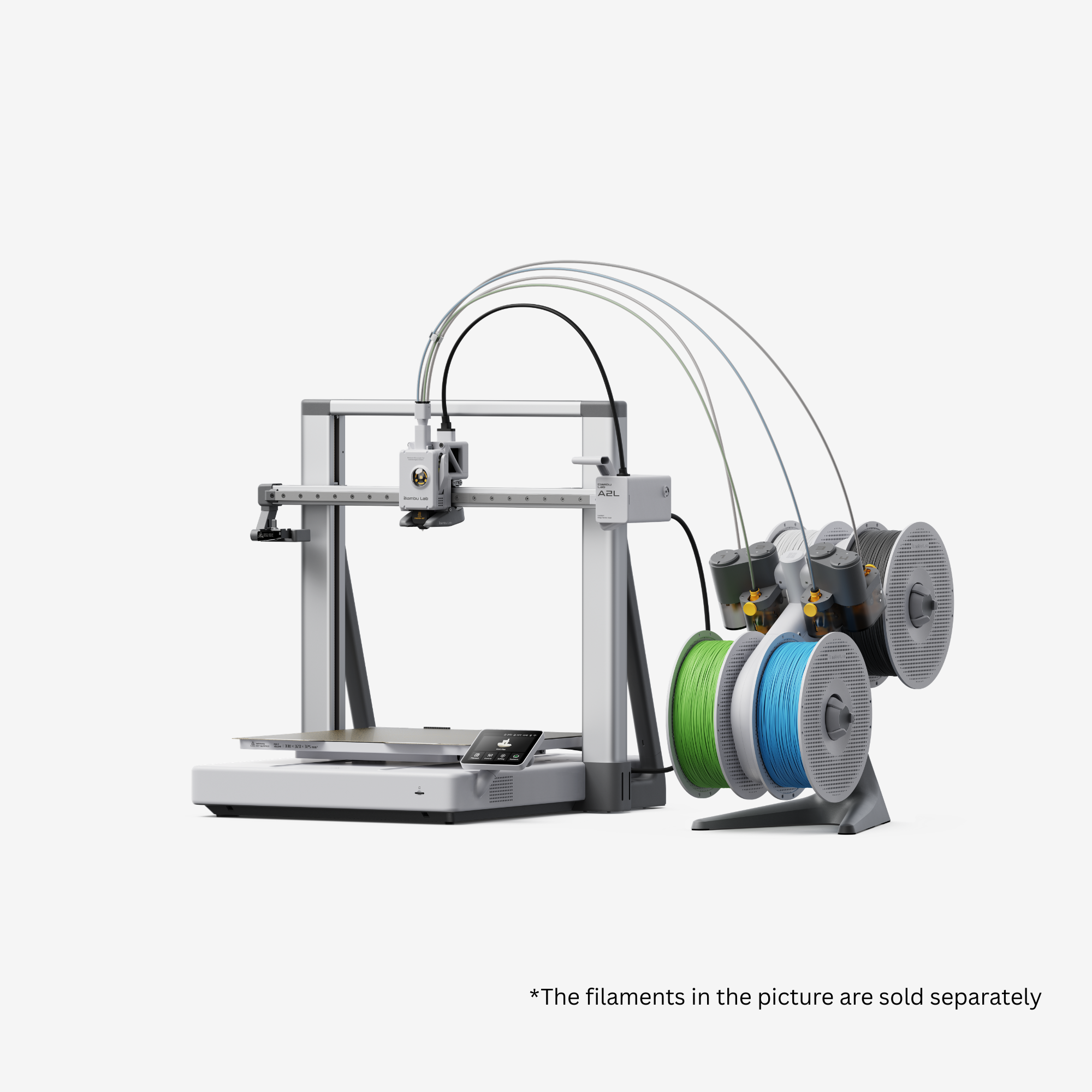
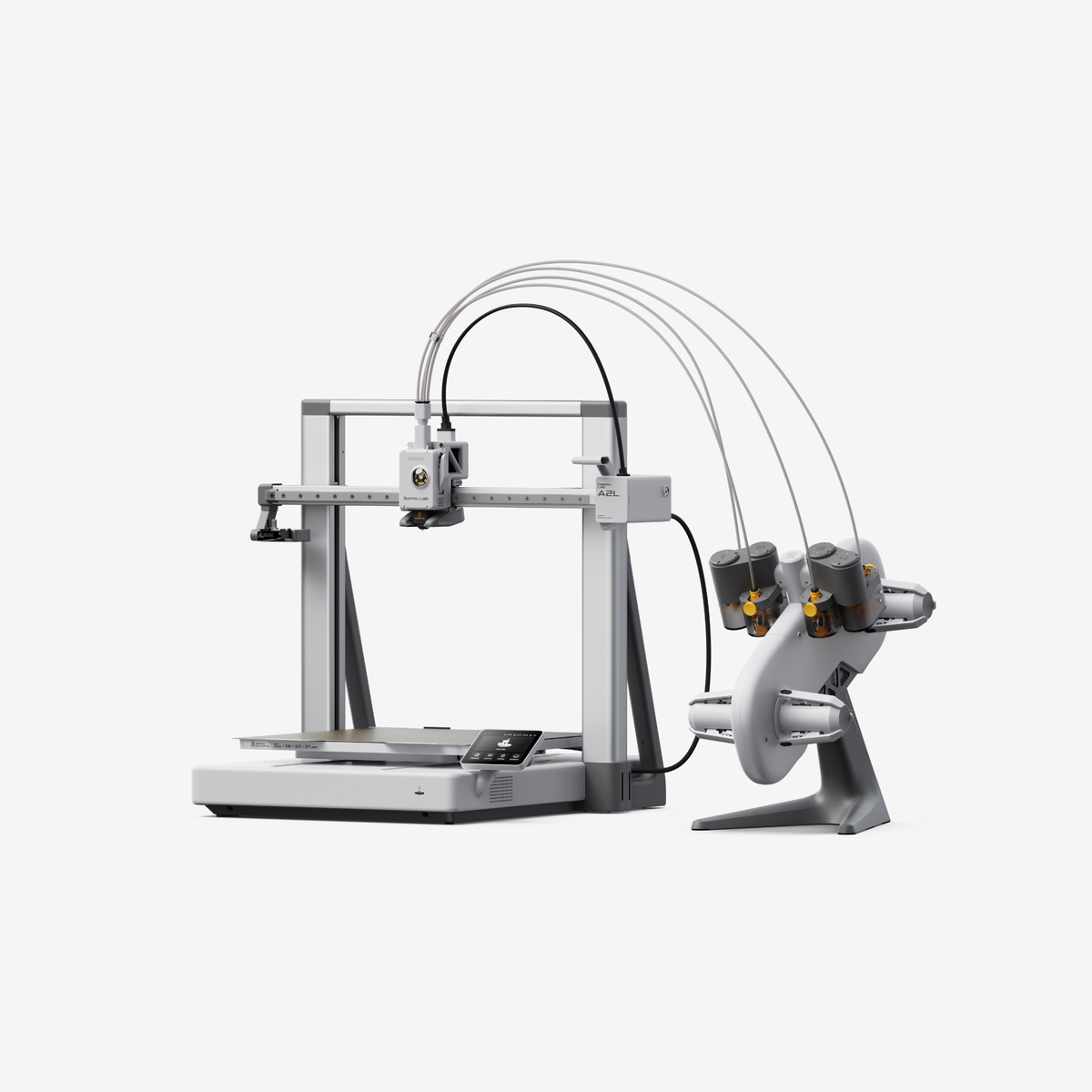
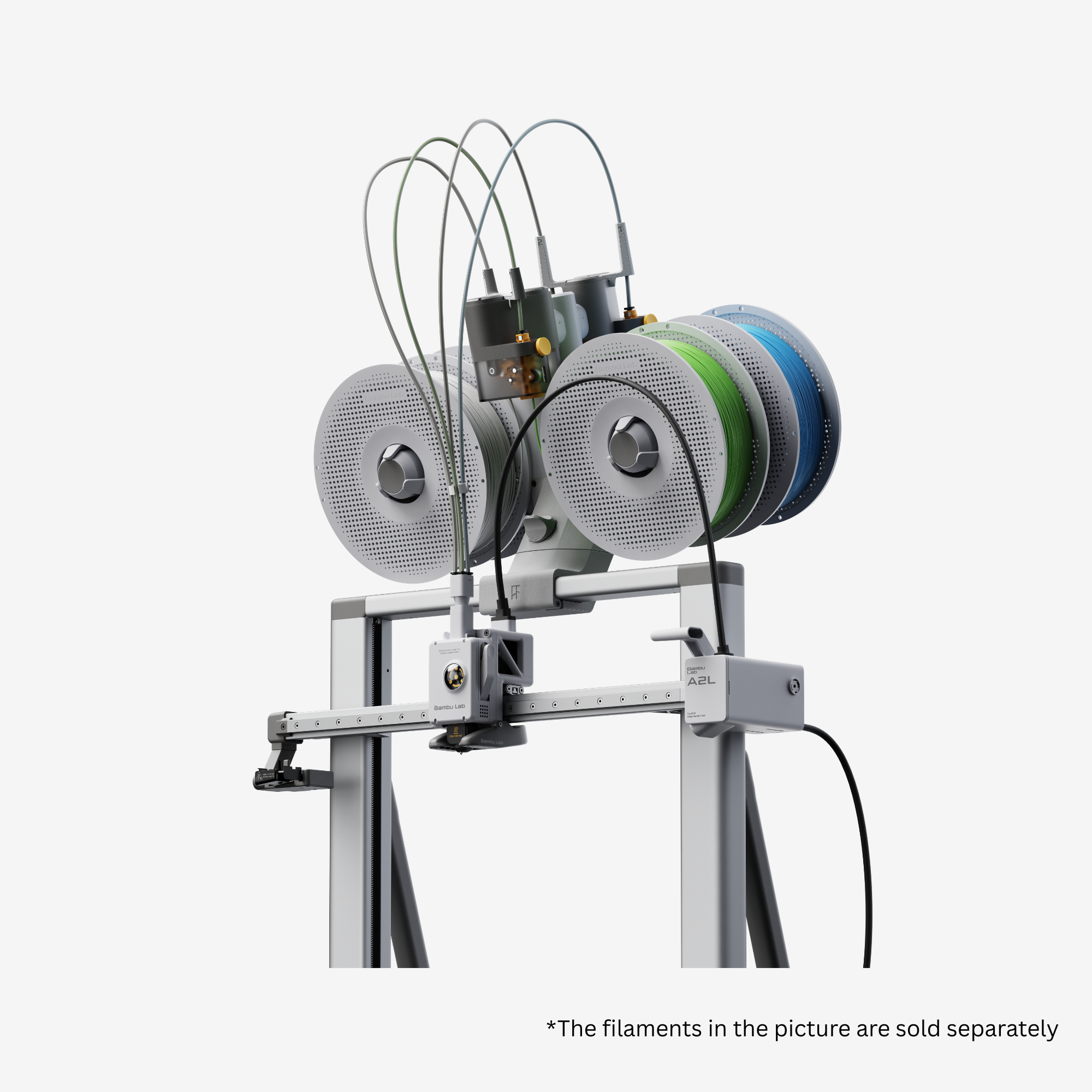
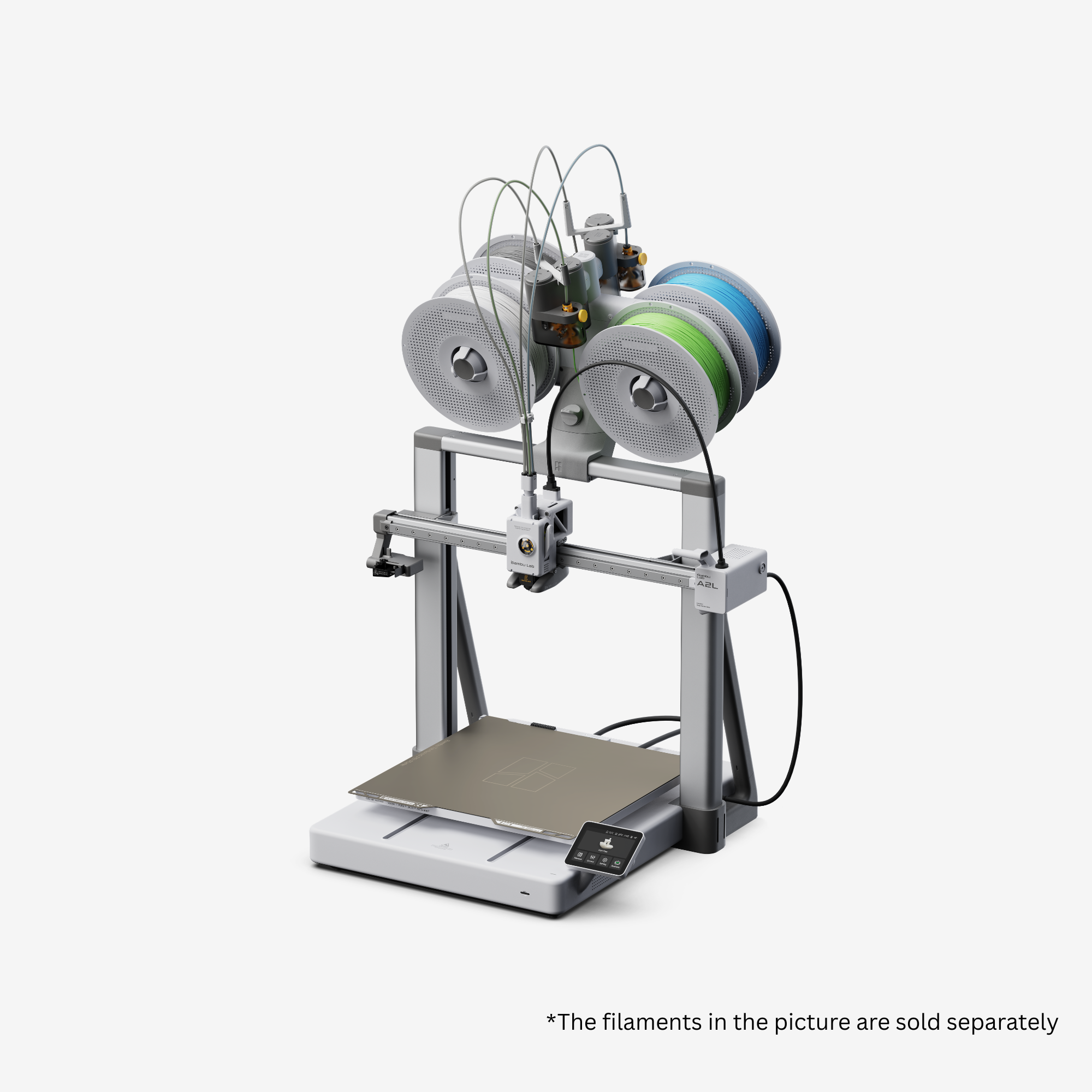
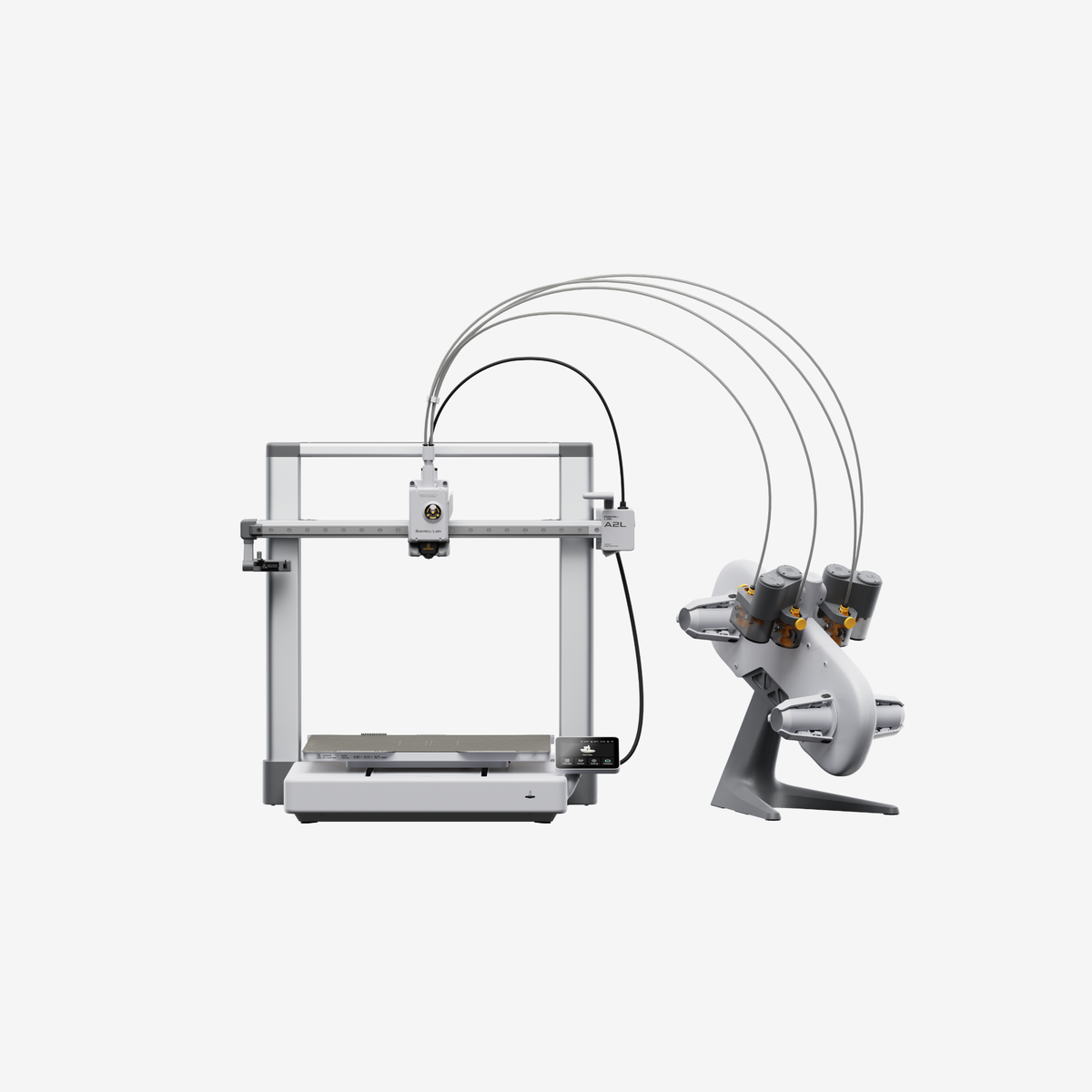
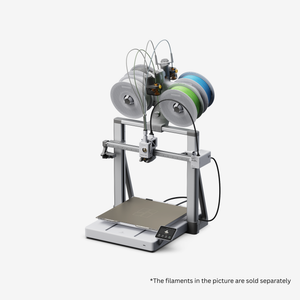
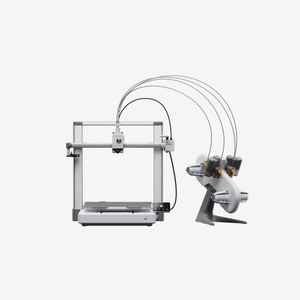
Bambu Lab A2L Combo
- Expanded Build Volume: 330 x 320 x 325 mm³ for large-scale projects.
- Multi-Tool Ecosystem: Supports modular add-ons for blade cutting and pen plotting.
- Full-Auto Calibration: Hands-free leveling and offset for instant out-of-the-box printing.
- Pro-Scale Stability: Adaptive Vibration Compensation guarantees precision for heavy/tall models.
- AMS Integration: Reliable, high-performance multi-color and multi-material printing.
- Smartphone-Class UI: High-resolution touchscreen with a streamlined, user-centric interface.
- Indoor Safe: UL 2904 GREENGUARD certified for emission safety.
Pickup available at ADDITRONIX PRINTING MACHINERY TRADING LLC
Usually ready in 24 hours
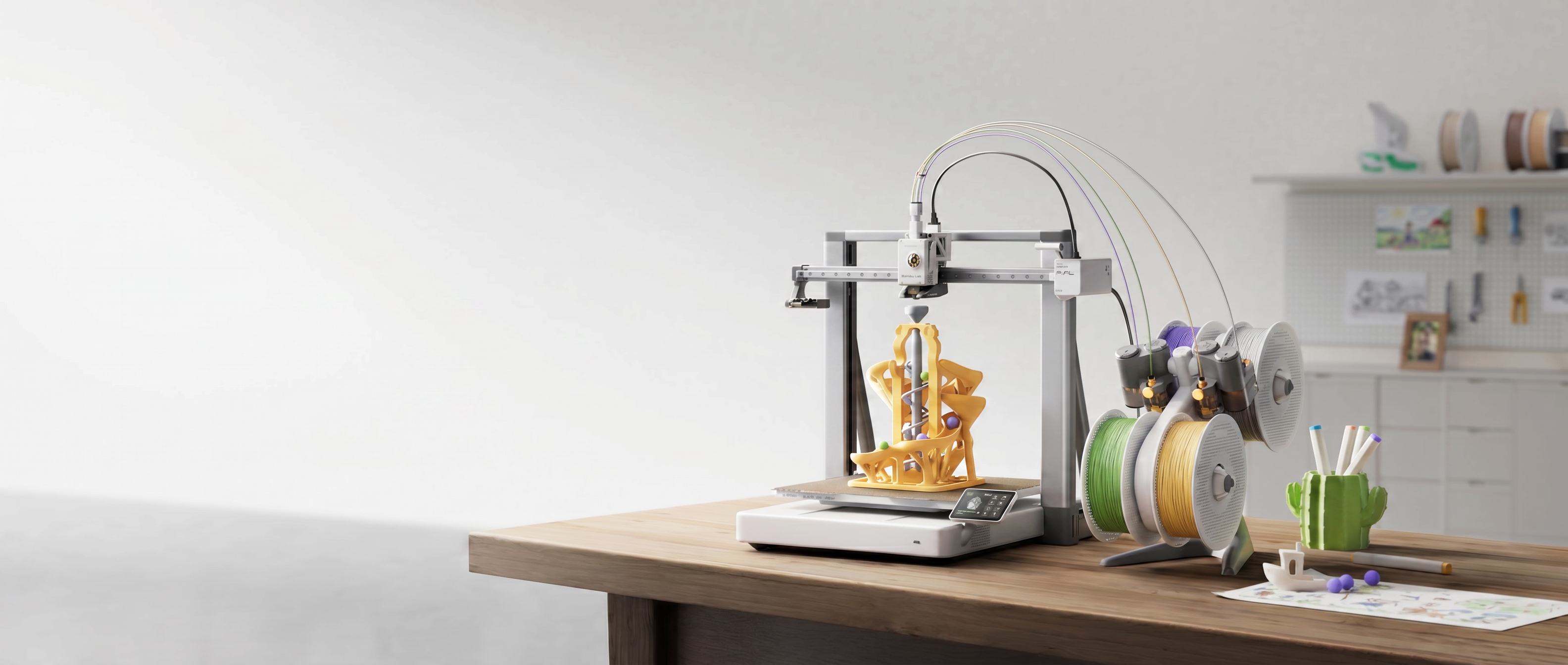
Extra Large Volume for Extra Bold Ideas
Oversized Build Volume
330 × 320 × 325 mm. That's 105% more space than the 256 mm class. A full-scale helmet, in one piece. A batch of 40 fidget toys, in one run. The kind of project that used to mean slicing your model into chunks—or starting over when the seams didn't line up—now just fits.


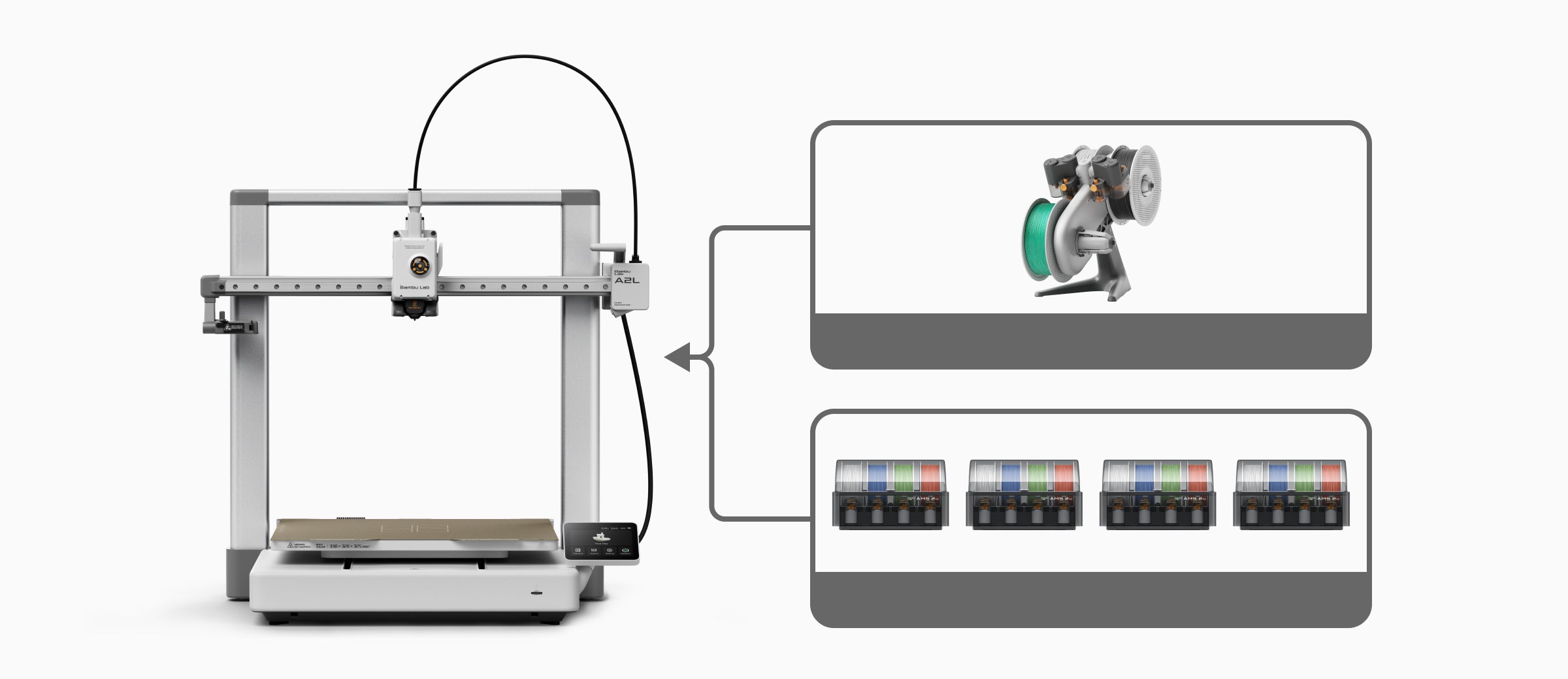
Support 2nd-Gen AMS
19-Color Printing | Filament Drying|Enclosed Storage
Pair the A2L with the 2nd-Gen AMS, and your filament gets a sealed, climate-controlled home—dried on demand before each print, kept airtight between them. Need more colors? Need different material types running side by side? AMS lite and the 2nd-Gen AMS share the same embedded buffer system, so you can stack and mix them: four spools, eight spools, sixteen spools—whatever your project asks for, fed cleanly through one queue.
Put Your Printing on Autopilot
Intelligent Print Monitoring
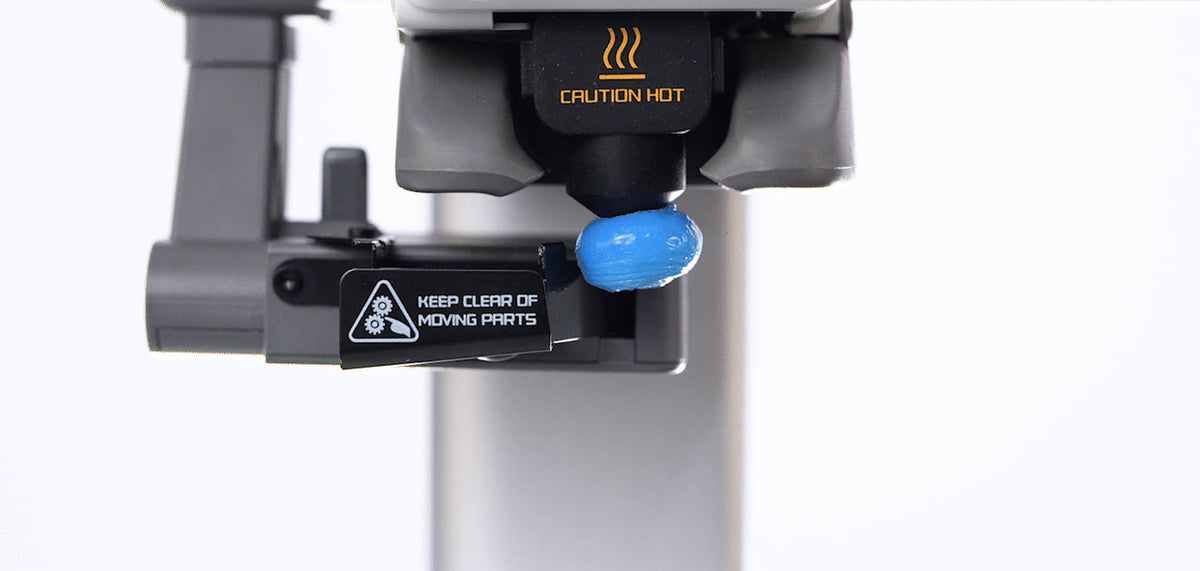
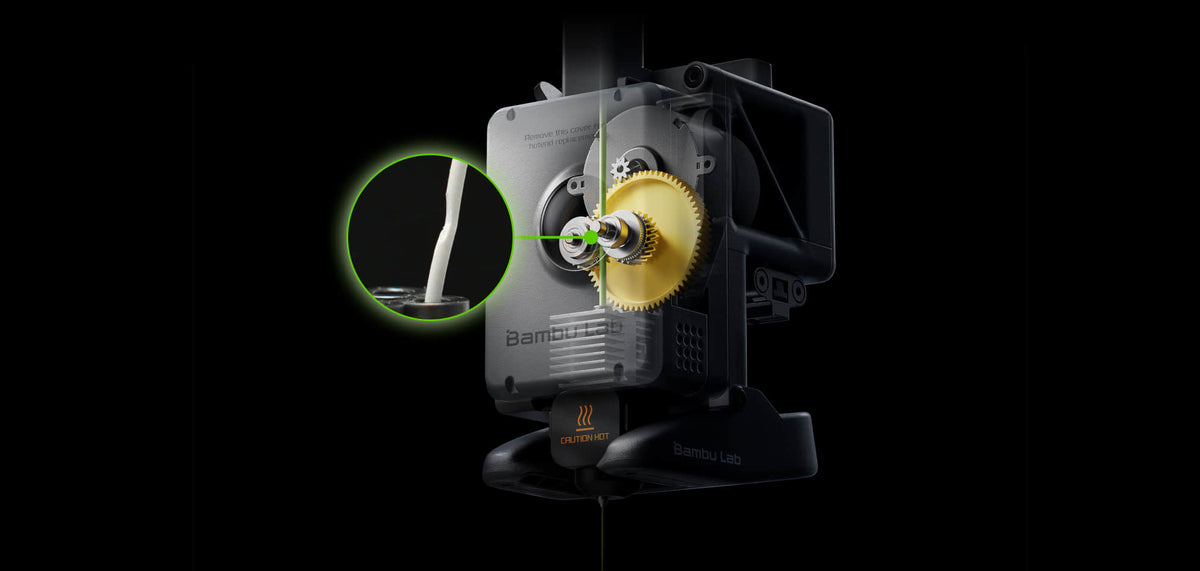
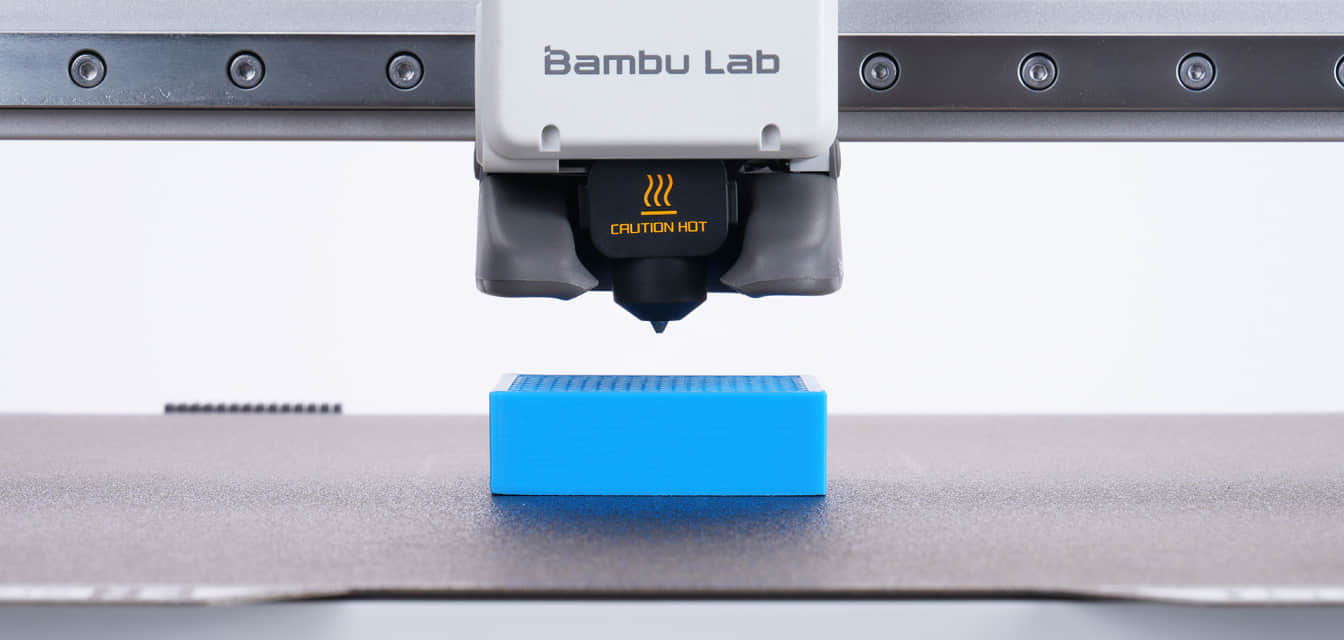
Most print failures happen quietly—the nozzle keeps moving, but the part stopped forming hours ago. Sensors along the extrusion path, paired with the PMSM extruder as a feedback node, feed a Bambu-trained algorithm that catches filament tangle, runout, nozzle clumping, and air printing—then pauses A2L and guides you through the fix on Bambu Handy.
Nozzle Clumping Detector
Filament Grinding
Air Printing
Frequently asked questions
Still looking for an answer?
What is the Bambu Lab A2L 3D printer?
The Bambu Lab A2L is a large-format, open-frame FDM 3D printer that launched globally on June 1, 2026. It has a 330 x 320 x 325 mm build volume, which Bambu says is 105% more than the 256 mm class, enough to print a full-scale helmet in one piece. It is a single-nozzle bed slinger with a 300°C hotend, an 80°C heated bed, full auto calibration, and speeds up to 500 mm/s. It prints PLA, PETG, and TPU.
What's the difference between the A2L and the A2L Combo?
The A2L Combo is the same printer plus the AMS lite multi-colour system; the standalone A2L ships without it. Both have identical build volume, servo extruder, and features. Choose the standalone A2L if you print mostly one colour or already own an AMS. Choose the Combo if you want automatic multi-colour printing from day one. The Combo costs more than the standalone, while a separate AMS lite lists higher, so the bundle is better value
Is the Bambu Lab A2L good for beginners?
Yes. The A2L is built to be beginner-friendly, with a touchscreen guide, fully automatic bed levelling, and flow calibration before every print. Assembly takes about 30 minutes, then 25 to 40 minutes of first calibration, so you can go from sealed box to a finished print in roughly an hour. It runs Bambu Studio and the Bambu Handy app, and includes filament runout, tangle, and clog detection to catch problems early.
What materials can the Bambu Lab A2L print?
The A2L prints PLA, PETG, TPU, and PVA, plus PLA-CF and PETG-CF with a hardened steel nozzle. It cannot reliably print ABS, ASA, polycarbonate, or nylon because it is open-frame with no heated chamber and an 80°C bed cap. If you need engineering plastics, choose an enclosed printer like the Bambu Lab P1S or P2S instead.
How many colours can the A2L print with AMS?
With one AMS lite, included in the Combo, the A2L prints up to 4 colours. You can chain up to 4 box-style AMS 2 Pro units plus 1 AMS lite for a maximum of 19 colours (16 channels from the AMS 2 Pro units plus 3 from the AMS lite). It is a single-nozzle printer, so colour changes purge and waste some filament. The A2L also supports AMS 2 Pro and AMS HT, but their drying function needs an external power source on this machine.
How does the A2L compare to the Bambu Lab A1 and P1S?
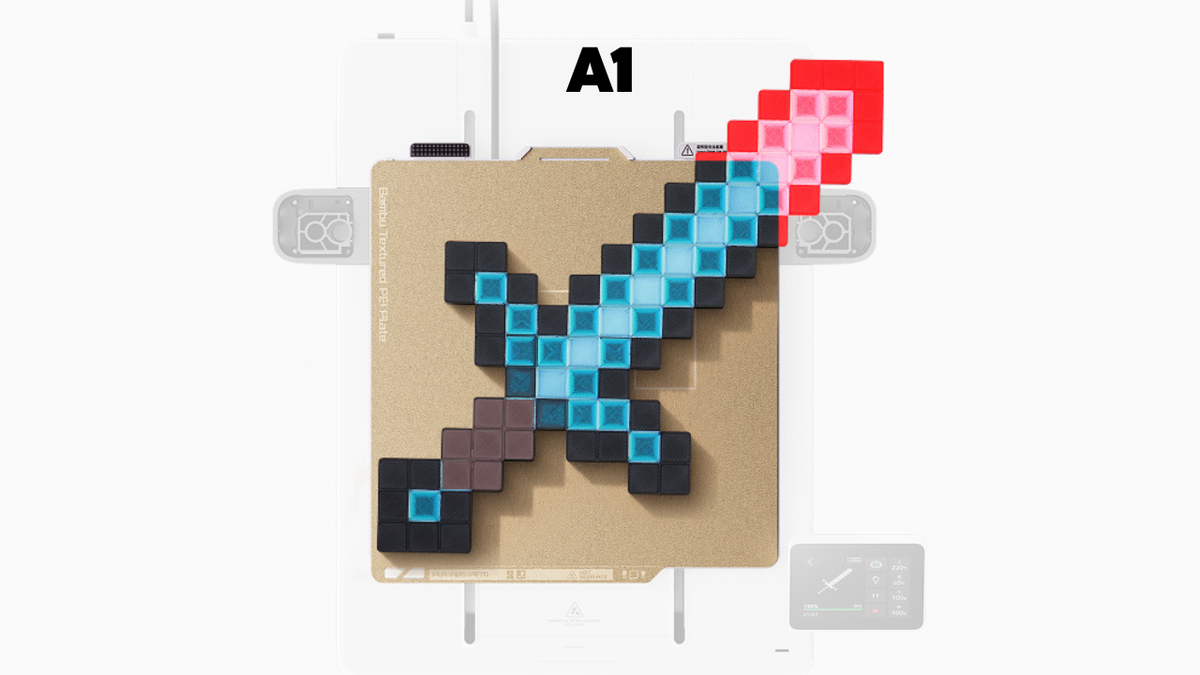
The A2L is essentially a bigger A1, with a 330 mm bed versus the A1's 256 mm, plus a PMSM servo extruder, adaptive vibration compensation, and an optional cutting module. The A1 is cheaper and enough if 256 mm suits you. The P1S is an enclosed CoreXY printer that handles ABS and ASA, which the open-frame A2L cannot. Pick the A2L for large PLA and PETG prints.
How fast and how quiet is the Bambu Lab A2L?
The A2L prints at up to 500 mm/s with 10 m/s² acceleration, roughly matching the A1's speed despite its larger bed, thanks to granular dampers and adaptive vibration compensation. In Silent Mode it runs below 49 dB, about as quiet as a library, and peaks near 52 dB in Standard Mode (Bambu lab data). Because the large bed shakes at speed, place it on a sturdy, stable table.
What maintenance does the A2L need and is it enclosed?
The A2L is open-frame, not enclosed. Maintenance is light. Lubricate the Y-axis after setup and every 200 print hours, the X-axis about once a month, keep belts tensioned when the printer prompts, and clean the nozzle, sensors, and fans regularly. Use oil on linear rails and grease on lead screws and extruder gears, never on belts. It runs on 200-240V, so it works on UAE mains power.